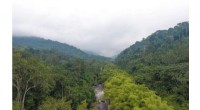
1. Protecting Ecosystems:
* Preserving biodiversity: safeguarding the variety of life on Earth, including plants, animals, fungi, and microorganisms.
* Maintaining habitats: protecting natural areas like forests, wetlands, grasslands, and coral reefs to support the species that live there.
* Restoring damaged ecosystems: repairing degraded environments through reforestation, wetland restoration, and habitat creation.
2. Managing Natural Resources:
* Sustainable use of resources: Utilizing natural resources (water, timber, minerals, etc.) in a way that meets current needs without compromising future generations.
* Reducing waste and pollution: minimizing the impact of human activities on the environment by reducing waste, reusing materials, and adopting clean technologies.
* Climate change mitigation and adaptation: Implementing strategies to reduce greenhouse gas emissions and adapt to the impacts of climate change.
3. Protecting Cultural Heritage:
* Preserving historical sites and artifacts: safeguarding archaeological and cultural landmarks for future generations.
* Protecting traditional knowledge: preserving indigenous knowledge and practices related to natural resource management.
Key Principles of Conservation:
* Sustainability: Meeting current needs without compromising the ability of future generations to meet their own needs.
* Ecosystem services: Recognizing the value of natural processes and the benefits they provide to humans, such as clean air and water, pollination, and climate regulation.
* Precautionary principle: Taking action to prevent environmental harm even when scientific certainty is lacking.
* Intergenerational equity: Ensuring that future generations have access to the same resources and opportunities as the current generation.
Conservation efforts involve:
* Government policies and regulations: setting standards and guidelines for resource use and environmental protection.
* Community participation: Engaging local communities in conservation initiatives to ensure sustainable practices and local ownership.
* Scientific research: Understanding ecological processes and developing effective conservation strategies.
* Education and awareness: raising public awareness about environmental issues and the importance of conservation.
Conservation is essential for protecting the natural world and ensuring the well-being of current and future generations. By embracing sustainable practices, protecting ecosystems, and managing resources responsibly, we can safeguard the planet for all.