1. Light Reflection:
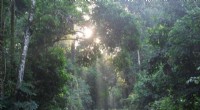
* Sun: When leaves are exposed to direct sunlight, a significant amount of light is reflected back towards our eyes. This is because the leaf's surface is made of various cells, structures, and pigments, all of which contribute to scattering and reflecting light.
* Shade: In shade, the light source is less intense and the light rays are scattered more by the surrounding objects. This results in less direct light reaching the leaves, leading to less reflection.
2. Pupil Response:
* Sun: Our pupils constrict in bright sunlight to reduce the amount of light entering our eyes. This makes the scene appear dimmer, including the leaves.
* Shade: Our pupils dilate in dim conditions, allowing more light to reach our eyes. This enhances the perceived brightness of objects, including leaves, in the shade.
3. Contrast Effect:
* Sun: The bright background of the sunlit environment creates a greater contrast between the leaves and their surroundings, making the leaves appear brighter.
* Shade: The darker background of the shaded environment creates less contrast, making the leaves appear darker.
4. Chlorophyll Concentration:
* Sun: Leaves in direct sunlight often have higher chlorophyll concentrations to efficiently absorb sunlight for photosynthesis. This denser chlorophyll can contribute to a slightly darker appearance compared to leaves in shade.
* Shade: Leaves in shade may have slightly lower chlorophyll concentrations to optimize light absorption in low-light conditions. This can make them appear slightly lighter.
Overall:
The combination of these factors results in the perception that leaves are lighter in the sun than in the shade. It's important to note that the specific shade of green can also vary depending on the type of leaf, its age, and the surrounding environment.