Reflection:
* Specular Reflection: The most prominent behavior is specular reflection. This is where light rays bounce off the surface at the same angle they hit it. This is why you see a reflection of the sky, trees, or anything else above the water.
* Diffuse Reflection: Some light will also undergo diffuse reflection, meaning it scatters in multiple directions. This contributes to the overall brightness of the surface, but you won't see a clear image.
Refraction:
* Bending of Light: A portion of the light will also enter the water. As light passes from air into water, it slows down and bends (refracts). This bending causes objects submerged in the water to appear distorted or in a different location than they actually are.
Other Effects:
* Color: The color of the water can affect the light that is reflected. For example, a muddy pond will reflect more brown light than a clear pond.
* Waves: If the water is not completely still, even small ripples will cause the light to be reflected in a more chaotic way, blurring the reflection.
* Polarization: The reflection of light off a water surface is partially polarized, meaning the light waves are aligned in a particular direction. This is one reason why polarized sunglasses can reduce glare from water.
Summary:
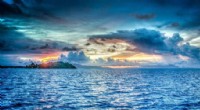
The surface of a still pond or puddle acts like a mirror for some light, reflecting a clear image (specular reflection). It also scatters light (diffuse reflection) and bends light as it enters the water (refraction). All of these effects contribute to the unique visual appearance of water.