1. Erosion:
* Deflation: Wind picks up loose sediment (sand, dust, silt) and carries it away. This process, called deflation, lowers the ground surface, creating depressions, hollows, and even vast desert plains.
* Abrasion: Wind-borne particles act like sandpaper, grinding and smoothing rock surfaces. This creates distinctive features like ventifacts (rocks with flat, polished surfaces) and yardangs (long, streamlined ridges).
2. Transportation:
* Saltation: Wind lifts and carries sand grains in a hopping, bouncing motion. This process, called saltation, moves sand significant distances and creates dunes.
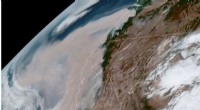
* Suspension: Fine dust particles can be lifted high into the air and carried for thousands of kilometers, leading to dust storms and deposition of loess (a fine, fertile soil).
3. Deposition:
* Dunes: When wind slows down, it deposits the sand it carries, creating dunes. These dunes come in various shapes and sizes, depending on wind direction, vegetation, and other factors.
* Loess deposits: Dust carried in suspension eventually settles, creating thick layers of loess that can be fertile farmland.
* Sand sheets: Large areas of sand can be deposited to form sand sheets, which are relatively flat and featureless.
Examples of wind-shaped landscapes:
* Deserts: Deserts are prime examples of wind-shaped landscapes, with dunes, yardangs, and vast deflation plains.
* Coastal areas: Wind plays a significant role in shaping coastlines, creating sand dunes, cliffs, and inlets.
* Rock formations: Wind erosion can create spectacular rock formations, such as hoodoos, arches, and mesas.
* Loess plateaus: Loess deposits create fertile plateaus, like the Loess Plateau in China.
Factors influencing wind's impact:
* Wind speed and direction: Stronger winds have a greater erosive power, and persistent winds create predictable patterns of erosion and deposition.
* Vegetation: Vegetation acts as a barrier to wind erosion, helping to stabilize the landscape.
* Climate: Dry climates with little vegetation are most susceptible to wind erosion.
* Rock type: Some rocks are more resistant to wind erosion than others.
In conclusion:
Wind is a constant sculptor of the earth's surface, shaping the landscape through erosion, transportation, and deposition. It creates diverse and stunning landforms that reveal the power of this seemingly invisible force.