Vegetation cover refers to the amount of ground surface that is covered by plants. This can include:
* Trees: Including both the canopy and the trunks
* Shrubs: These are woody plants shorter than trees
* Grasses: This category includes all types of grasses and herbs
* Other plants: This includes ferns, mosses, lichens, and even crops
How is Vegetation Cover Measured?
Vegetation cover can be measured in several ways:
* Percentage: This is the most common way to measure vegetation cover. It represents the percentage of the ground surface that is covered by plants. For example, a vegetation cover of 50% means that half of the ground surface is covered by plants.
* Density: This is a measure of the amount of plant material per unit area. It can be measured in terms of biomass, canopy cover, or number of plants.
* Frequency: This measures how often a particular plant species occurs within a given area.
Importance of Vegetation Cover
Vegetation cover is a vital component of the environment for many reasons:
* Habitat: Plants provide food and shelter for countless animals, insects, and microorganisms.
* Erosion control: Vegetation cover helps prevent soil erosion by holding soil in place with its roots and reducing the impact of raindrops.
* Water regulation: Vegetation cover helps regulate the water cycle by absorbing water and releasing it slowly, reducing the risk of floods and droughts.
* Climate regulation: Vegetation cover influences climate by absorbing carbon dioxide and releasing oxygen, playing a crucial role in mitigating climate change.
* Aesthetic value: Vegetation cover adds beauty to the environment and enhances the quality of life.
Threats to Vegetation Cover
Vegetation cover is threatened by various factors:
* Deforestation: The clearing of forests for agriculture, logging, and urbanization is a major threat to vegetation cover.
* Climate change: Climate change is causing droughts, floods, and wildfires, which can damage or destroy vegetation.
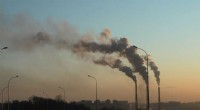
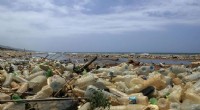
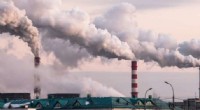
* Pollution: Air, water, and soil pollution can harm plants and reduce their ability to grow and thrive.
* Invasive species: Invasive plants can outcompete native plants and reduce vegetation cover.
Conservation Efforts
Many conservation efforts are focused on protecting and restoring vegetation cover. These efforts include:
* Reforestation: Planting trees in areas that have been cleared of vegetation.
* Sustainable forestry: Managing forests in a way that allows for the sustainable harvesting of timber and other resources.
* Land restoration: Restoring degraded land to its original condition.
* Protected areas: Creating parks and other protected areas to conserve natural vegetation.
Understanding vegetation cover is crucial for managing and protecting our environment. By monitoring vegetation cover and implementing conservation efforts, we can help ensure a healthy and sustainable planet for future generations.