Here's a breakdown of the forces at play:
Natural Forces:
* Milankovitch Cycles: These are long-term variations in Earth's orbit and tilt that affect the amount of solar radiation received by different parts of the planet. These cycles have a role in the natural waxing and waning of ice ages, but they act over very long timescales (tens of thousands of years).
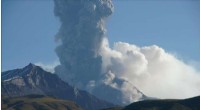
* Volcanic Eruptions: Large volcanic eruptions release significant amounts of sulfur dioxide, which can reflect sunlight and cause temporary cooling. However, volcanic eruptions are short-term events and their overall effect on global climate is relatively small.
* Solar Variation: The Sun's energy output varies slightly over time, which can influence Earth's climate. However, these variations are not significant enough to explain the current rapid warming trend.
Human-Caused Forces (Primary Drivers of Current Warming):
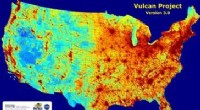
* Greenhouse Gas Emissions: Burning fossil fuels (coal, oil, and natural gas) releases carbon dioxide, methane, and other greenhouse gases into the atmosphere. These gases trap heat, causing the planet to warm.
* Deforestation: Trees absorb carbon dioxide from the atmosphere, so clearing forests for agriculture and other purposes reduces the Earth's ability to absorb carbon dioxide, contributing to warming.
How these forces affect Antarctica:
* Melting Ice Sheets: Warming temperatures are causing the massive ice sheets in Antarctica to melt at an accelerating rate, contributing to sea level rise.
* Ocean Acidification: The oceans are absorbing much of the excess carbon dioxide released by humans, which makes the water more acidic. This acidification is harmful to marine life and can further disrupt the Antarctic ecosystem.
* Changes in Marine Life: Warming waters and ocean acidification are already affecting the distribution and abundance of marine life in the Southern Ocean, with potential cascading effects on the entire ecosystem.
Conclusion:
While natural forces play a role in Earth's climate system, human activities are now the dominant driver of climate change. The warming of Antarctica, as well as the rest of the planet, is a direct consequence of human-caused greenhouse gas emissions. The consequences of this warming are already being felt in the form of melting ice sheets, rising sea levels, and changes in marine ecosystems.