Here are some possible interpretations and answers:
1. Literal "forests":
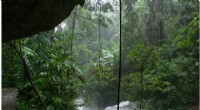
* Historically: Areas with large forests, like the Amazon rainforest or the boreal forests of Canada, often have a rich diversity of cultures and ways of life. These groups might have developed strong independent thinking due to their relative isolation from external influences.
* Modern context: Places with large forests today might be considered havens for independent thinking because they provide space for solitude, contemplation, and connection with nature, all of which can foster independent thought.
2. Metaphorical "forests":
* Intellectual spaces: Academic institutions like universities or research centers could be considered "forests" of ideas, where diverse viewpoints and critical thinking thrive.
* Online communities: Certain online forums or social media groups dedicated to intellectual pursuits might foster a sense of community where independent thinking is encouraged and celebrated.
* Creative endeavors: Artistic communities or places where people engage in creative activities, like writing, music, or painting, might be seen as "forests" where independent thinking and expression are encouraged.
It's important to remember:
* No single place is perfect: Even in places with plentiful forests or where independent thinking is valued, there will always be limitations and challenges.
* Individual responsibility: Ultimately, independent thinking is a choice and a skill that requires effort and practice.
So, where is "forests and independent thinking plentiful?" It's a question that each individual must answer for themselves, based on their own values and interpretations.