1. Volcanic Activity:
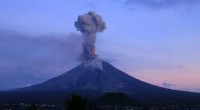
* Volcanoes: The Cascades are a volcanic mountain range, formed by the subduction of the Juan de Fuca plate beneath the North American plate. This process creates magma that rises to the surface, erupting as volcanoes.
* Lava Flows: Lava flows from these volcanoes have built up the landscape, creating vast plateaus and valleys.
* Ash Deposits: Volcanic ash, deposited over millennia, contributes to fertile soils and distinctive features like the high-elevation meadows in the Cascades.
2. Glaciers:
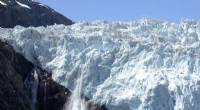
* Ice Age Glaciation: During the Pleistocene ice ages, massive glaciers carved out the dramatic valleys, peaks, and U-shaped valleys that define the Cascade landscape.
* Erosion: The sheer weight and movement of glaciers sculpted the mountains, eroding rock and shaping the valleys and canyons.
* Deposition: Glacial meltwater deposited sediments, creating fertile valleys and lakes.
3. Erosion:
* Water Erosion: Rivers and streams carve out canyons and valleys, shaping the landscape.
* Wind Erosion: Wind can transport soil and sediment, contributing to erosion and shaping sand dunes in some areas.
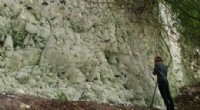
* Weathering: The freezing and thawing of water, along with chemical reactions, breaks down rock, contributing to erosion.
4. Climate:
* Precipitation: The Cascades experience significant precipitation, especially on their western slopes, contributing to their lush forests and abundant streams.
* Snowfall: The high elevations receive heavy snowfall, creating glaciers and influencing the formation of snowfields and alpine meadows.
* Temperature: Temperature variations create unique microclimates across the range, supporting different plant and animal communities.
5. Biological Processes:
* Vegetation: Plant life, especially trees, plays a role in stabilizing slopes and influencing soil development.
* Animal Life: Animals, through grazing, burrowing, and other activities, can influence soil formation and contribute to the overall ecosystem dynamics.
The Cascade Mountains continue to evolve, shaped by these ongoing processes. The interplay of these agents of change creates the unique and dynamic landscape we see today.