Physical Features:
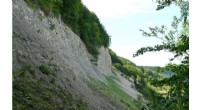
* Soil: Rainforest soil is rich and fertile, but often thin and acidic due to rapid decomposition.
* Water: Rainforests are defined by their heavy rainfall, which can be found in rivers, streams, lakes, and waterfalls.
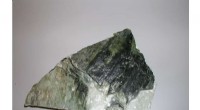
* Rocks and Minerals: Underlying the soil are rocks and minerals that contribute to the rainforest's unique ecosystem.
* Sunlight: Though the canopy blocks much of the light, sunlight is essential for plant growth.
* Air: Rainforests have humid, dense air filled with moisture and oxygen.
Human-Made Features:
* Paths and Trails: Rainforests are often home to trails used for research, tourism, and by local communities.
* Buildings and Structures: Some rainforests may have research stations, lodges, or other structures within them.
* Litter: Sadly, some rainforests contain human-made litter, which can harm the environment.
Decomposition and Decay:
* Dead leaves: The forest floor is covered in a layer of dead leaves, which decompose and release nutrients.
* Fallen trees: Large trees that have fallen create a habitat for insects and other organisms.
* Animal remains: The bones and other remains of animals decompose over time.
Remember: This is not an exhaustive list, and there are many other non-living things present in a rainforest. The diversity and complexity of this ecosystem are incredible.