Renewable Resources:
* Sunlight: Solar energy is a constant and inexhaustible source of energy.
* Wind: Wind is generated by differences in air pressure and temperature, making it a renewable resource.
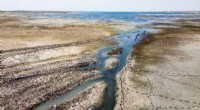
* Water: While the total amount of water on Earth is finite, the water cycle constantly replenishes freshwater through precipitation and evaporation.
* Biomass: This includes wood, crops, and other organic matter, which can be grown and harvested relatively quickly.
* Hydropower: Hydropower relies on the flow of water, which is replenished through the water cycle.
* Geothermal Energy: This harnesses the heat from the Earth's core, which is a renewable resource.
* Air: Air is a renewable resource as it is constantly being recycled through the natural processes of photosynthesis and respiration.
Note: While these resources are considered renewable, their sustainable use is crucial to prevent depletion. Excessive use can lead to environmental damage and disrupt natural cycles.
Resources with Faster Regeneration Rates:
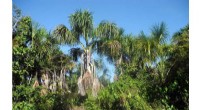
* Forests: Depending on the type of tree, forests can regenerate in a few decades.
* Fish populations: Some fish species reproduce quickly and can rebound with proper management.
* Grasses and other vegetation: Many plants have short growth cycles and can quickly re-establish themselves after disturbance.
Key Considerations:
* Rate of Consumption: The faster the rate of resource consumption, the more challenging it is for nature to replenish them.
* Sustainable Practices: Sustainable management practices are essential to ensure the long-term availability of renewable resources.
* Ecosystem Integrity: Healthy ecosystems play a vital role in the regeneration and replenishment of resources.
Remember, while some resources can be replaced relatively quickly, it's crucial to manage them sustainably to prevent depletion and ensure their long-term availability for future generations.