Earth's Subsystems:
* Geosphere: The solid, non-living parts of the Earth, including rocks, minerals, soil, and landforms.
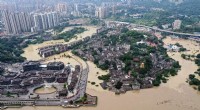
* Hydrosphere: All the water on Earth, including oceans, lakes, rivers, groundwater, and ice.
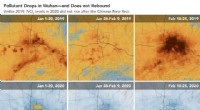
* Atmosphere: The layer of gases that surrounds the Earth, including oxygen, nitrogen, carbon dioxide, and others.
* Biosphere: All living things on Earth, including plants, animals, fungi, and microorganisms.
Interconnectedness:
These subsystems are not isolated, but rather interact and influence each other in numerous ways:
* Water Cycle: The hydrosphere interacts with the geosphere (water erodes rocks), the atmosphere (evaporation, precipitation), and the biosphere (plants absorb water).
* Carbon Cycle: The biosphere (plants and animals) absorbs and releases carbon dioxide, which interacts with the atmosphere (greenhouse effect) and the geosphere (carbon stored in rocks).
* Weather and Climate: The atmosphere influences the hydrosphere (precipitation), the geosphere (weathering and erosion), and the biosphere (plant and animal life).
* Plate Tectonics: The geosphere's movement influences the hydrosphere (creation of ocean basins), the atmosphere (volcanic eruptions), and the biosphere (creating new habitats and causing extinction).
Feedback Loops:
These interactions often create feedback loops, where changes in one subsystem can trigger changes in another, which can then further affect the original subsystem. For example:
* Rising Temperatures: Increasing temperatures in the atmosphere (due to greenhouse gases) can melt glaciers (hydrosphere), raising sea levels and impacting coastlines (geosphere). This can also change plant and animal distributions (biosphere).
Systemic Thinking:
Considering Earth as a system emphasizes the interconnectedness and interdependence of its components. This understanding is crucial for:
* Environmental Management: We need to consider the consequences of our actions on the entire Earth system, not just one part.
* Climate Change Mitigation: Understanding the complex feedback loops in the Earth system helps us predict and respond to climate change.
* Sustainable Development: We can strive for development that doesn't harm the long-term balance and resilience of the Earth system.
In conclusion, Earth is a complex system because its various subsystems are interconnected and influence each other through dynamic interactions and feedback loops. Recognizing this complexity is vital for understanding and managing our planet.