Definition:
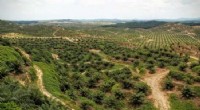
Forest destruction, also known as deforestation, is the permanent removal of forests for other land uses, such as agriculture, urbanization, mining, and logging. This process involves the clearing of trees and other vegetation, leaving behind barren land or altered ecosystems.
Causes:
* Agriculture: Land clearing for farming, ranching, and plantations is a major driver of deforestation.
* Urbanization: Expanding cities and infrastructure development require land, leading to forest removal.
* Logging: Harvesting timber for construction, paper, and other products contributes to forest destruction.
* Mining: Extraction of minerals and fossil fuels often involves clearing forests.
* Fires: Natural and human-induced fires can destroy vast areas of forest.
* Climate Change: Droughts and extreme weather events caused by climate change can make forests more vulnerable to fire and disease.
Consequences:
* Biodiversity Loss: Forest destruction leads to habitat loss and fragmentation, threatening the survival of countless plant and animal species.
* Climate Change: Forests play a crucial role in absorbing carbon dioxide from the atmosphere. Deforestation releases this stored carbon, contributing to global warming.
* Soil Erosion: Removal of trees exposes soil to erosion, leading to soil degradation and loss of fertility.
* Water Cycle Disruptions: Forests regulate water flow and influence rainfall patterns. Deforestation can lead to floods, droughts, and water scarcity.
* Loss of Ecosystem Services: Forests provide numerous ecosystem services, such as air purification, flood control, and carbon sequestration. Deforestation diminishes these services.
Impact on Human Societies:
* Food Security: Deforestation can reduce agricultural productivity and threaten food security.
* Water Security: Deforestation can lead to water scarcity and affect drinking water supplies.
* Economic Impacts: Forest destruction can have negative impacts on industries that rely on forest resources.
* Social Displacement: Indigenous communities and local populations often face displacement due to forest destruction.
Conservation Efforts:
* Reforestation and Afforestation: Planting trees to restore forests.
* Sustainable Forest Management: Practices that ensure the long-term health and productivity of forests.
* Protected Areas: Establishing parks and reserves to safeguard forest ecosystems.
* Policy and Legislation: Laws and regulations to regulate forest use and prevent deforestation.
* Community Involvement: Empowering local communities to participate in forest conservation efforts.
Conclusion:
Forest destruction has far-reaching consequences for the environment, climate, and human societies. It is essential to address the underlying causes of deforestation and promote sustainable forest management practices to protect these valuable ecosystems.