Woodland habitats are complex ecosystems influenced by a variety of physical factors that shape their structure, species composition, and overall functioning. Here's a breakdown of key environmental factors:
1. Climate:
* Temperature: Woodlands experience temperature fluctuations depending on latitude, elevation, and season. These fluctuations influence plant growth, animal activity, and decomposition rates.
* Precipitation: Rainfall patterns determine water availability, affecting tree growth, understory vegetation, and overall habitat productivity.
* Sunlight: Sunlight intensity and duration influence plant growth, especially in the understory, and create different microclimates within the woodland.
2. Topography:
* Elevation: Woodlands at higher elevations tend to have colder temperatures and shorter growing seasons.
* Slope: Slope affects sunlight exposure, water runoff, and soil development.
* Aspect: The direction a slope faces (north, south, east, west) influences sunlight exposure and microclimates.
3. Soil:
* Soil type: The type of soil (e.g., clay, loam, sand) affects water retention, nutrient availability, and plant growth.
* Soil depth: Deeper soils allow for greater root development and water storage.
* Soil pH: The acidity or alkalinity of the soil influences which plants can thrive.
* Nutrient availability: Nutrient content in the soil influences plant productivity and overall ecosystem health.
4. Hydrology:
* Water availability: Woodland habitats can be influenced by rivers, streams, lakes, and groundwater levels. Water availability affects plant growth, animal distribution, and overall ecosystem function.
* Drainage: Poor drainage can lead to waterlogging and limit plant growth.
5. Disturbance:
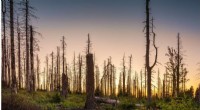
* Natural disturbances: Fire, windstorms, and insect outbreaks can significantly alter woodland structure and species composition.
* Human-induced disturbances: Land use changes, deforestation, and pollution can impact woodland habitats.
6. Biotic Factors:
* Competition: Competition for resources (light, water, nutrients) between plants and animals influences species diversity and abundance.
* Predation: Predator-prey interactions shape population dynamics and community structure.
* Symbiotic relationships: Mutualistic relationships between species (e.g., mycorrhizae and trees) can benefit both partners and influence ecosystem function.
These factors interact in complex ways to create unique woodland habitats. Understanding these physical environmental factors is crucial for conservation efforts, habitat management, and the overall understanding of woodland ecosystems.