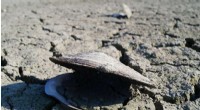
Chemical weathering is the process where rocks are broken down through chemical reactions. Unlike physical weathering which breaks rocks into smaller pieces, chemical weathering alters the rock's composition, making it weaker and easier to erode. Here's a breakdown:
How it happens:
1. Hydrolysis: Water reacts with minerals in rocks, breaking them down into new substances. For example, feldspar in granite reacts with water to form clay minerals.
2. Oxidation: Oxygen reacts with minerals, often forming oxides. Rust is a familiar example, where iron reacts with oxygen.
3. Carbonation: Carbon dioxide dissolves in rainwater to form carbonic acid, which reacts with carbonates like limestone, dissolving them. This is responsible for cave formation and sinkholes.
4. Biological Weathering: Living organisms like bacteria, lichens, and tree roots can produce acids that break down rocks.
Shaping the Earth:
Chemical weathering plays a crucial role in shaping Earth's landscapes in multiple ways:
* Cave and Karst Formation: Carbonation dissolves limestone, forming caves, sinkholes, and other karst features like towers and arches.
* Soil Formation: Chemical weathering breaks down bedrock into smaller particles, creating soil that supports plant life.
* Sculpting Landscapes: By weakening rock, chemical weathering allows physical weathering processes like erosion and abrasion to act more effectively, shaping mountains, valleys, and riverbeds.
* Creating Unique Landforms: Chemical weathering produces distinctive landforms like hoodoos, pinnacles, and rock formations in areas with specific rock types and weathering conditions.
Examples:
* Grand Canyon: The Colorado River eroded the canyon through both physical and chemical weathering. Chemical weathering weakened the sandstone layers, making them easier to erode.
* Stonehenge: The large stones at Stonehenge were shaped and smoothed by chemical weathering over centuries.
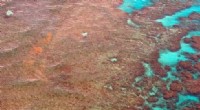
* The Great Barrier Reef: The coral reefs are constantly being sculpted by chemical weathering, as the calcium carbonate in the corals dissolves and reforms.
In conclusion: Chemical weathering is a vital process that shapes our world, breaking down rocks, creating soil, and influencing the formation of iconic landforms. It acts in conjunction with physical weathering, continually transforming Earth's surface.