Here's how it works:
* Absorption: Trees absorb water from the soil through their roots.
* Transportation: This water is then transported up through the tree's trunk and branches to the leaves.
* Transpiration: In the leaves, tiny pores called stomata open and release water vapor into the air. This water vapor rises into the atmosphere.
Importance of Transpiration:
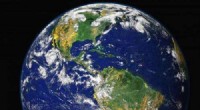
* Water Cycle: Transpiration is a vital part of the water cycle, helping to move water from the Earth's surface to the atmosphere.
* Cooling: Transpiration has a cooling effect on the tree and its surroundings as water evaporates, taking heat with it.
* Climate Regulation: Large forests contribute significantly to global humidity and precipitation patterns.
Other ways Trees Release Water Vapor:
* Evaporation: Water can also evaporate from the surface of leaves, branches, and even the trunk of trees.
* Interception: Trees intercept rainfall and hold it on their surfaces, allowing some of it to evaporate back into the atmosphere.
So, while trees don't "let" water vapor into the sky in a literal sense, they play a vital role in the process of transpiration, which releases water vapor into the atmosphere.