Ecological problems arise from a complex interplay of factors, including:
1. Human Population Growth and Consumption:
* Overpopulation: Higher population density puts strain on resources and creates competition for space, food, and water.
* Overconsumption: Developed nations consume resources at a much higher rate than developing nations, leading to depletion and pollution.
2. Unsustainable Practices:
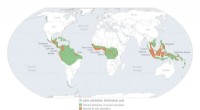
* Deforestation: Clearing forests for agriculture, logging, and urbanization destroys habitats, reduces biodiversity, and contributes to climate change.
* Pollution: Industrial waste, agricultural runoff, and plastic waste contaminate air, water, and soil, harming ecosystems and human health.
* Overfishing: Unsustainable fishing practices deplete fish stocks and disrupt marine ecosystems.
3. Climate Change:
* Greenhouse gas emissions: Burning fossil fuels releases carbon dioxide and other greenhouse gases, trapping heat in the atmosphere and causing global warming.
* Climate change impacts: Rising temperatures, extreme weather events, and sea level rise disrupt ecosystems, threaten biodiversity, and displace populations.
4. Loss of Biodiversity:
* Habitat destruction: Human activities destroy habitats, fragmenting populations and leading to extinctions.
* Invasive species: Introduced species outcompete native species and disrupt ecosystems.
* Pollution: Toxic substances can harm wildlife and contribute to biodiversity loss.
5. Lack of Environmental Regulation:
* Weak or unenforced environmental laws: Lack of regulation allows for unsustainable practices to continue, leading to ecological problems.
* Corporate greed: Industries prioritize profits over environmental sustainability, leading to pollution and resource depletion.
6. Lack of Environmental Awareness:
* Limited public understanding: A lack of awareness of environmental issues and their consequences makes it harder to implement solutions.
* Consumerism: Emphasis on consumer goods and excessive consumption drives unsustainable practices.
7. Technological Advancements:
* Pollution from technology: Production and disposal of electronics and other technologies can lead to environmental contamination.
* Unintended consequences: New technologies can have unintended ecological impacts, requiring careful assessment and management.
8. Political and Social Factors:
* Lack of political will: Governments may lack the will or resources to implement effective environmental policies.
* Social inequalities: Environmental degradation often disproportionately affects marginalized communities.
It's crucial to recognize that these factors are interconnected and contribute to a complex web of ecological problems. Addressing these issues requires a multifaceted approach that involves sustainable practices, responsible consumption, strong environmental policies, and global cooperation.