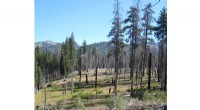
Deforestation and Habitat Loss:
* Logging: The extraction of timber for construction, furniture, and other uses is a major driver of deforestation.
* Agriculture: Conversion of rainforest land for agriculture, particularly for palm oil, soy, and cattle ranching, is a major threat.
* Mining: Mining operations for minerals like gold and diamonds often involve clearing vast areas of rainforest.
* Infrastructure Development: Roads, dams, and other infrastructure projects fragment forests and disrupt wildlife movement.
Climate Change:
* Increased Temperatures: Higher temperatures can lead to drought, wildfires, and changes in plant and animal communities.
* Changes in Precipitation: Rainforests depend on consistent rainfall. Climate change can alter rainfall patterns, leading to droughts and floods.
* Extreme Weather Events: More frequent and intense storms, droughts, and floods can damage rainforest ecosystems.
Biodiversity Loss:
* Species Extinction: Loss of habitat and fragmentation lead to the decline and extinction of numerous plant and animal species.
* Disease Transmission: Deforestation can increase the spread of diseases, both among wildlife and between humans and animals.
Other Threats:
* Pollution: Air and water pollution from industrial activities, agriculture, and urban areas can harm rainforest ecosystems.
* Hunting and Poaching: Illegal hunting and poaching of wildlife can decimate populations and disrupt food webs.
* Invasive Species: Introduction of non-native plants and animals can disrupt ecosystems and outcompete native species.
Consequences of Rainforest Loss:
* Climate Change: Rainforests play a crucial role in regulating the global climate by absorbing carbon dioxide. Deforestation releases vast amounts of carbon dioxide, contributing to climate change.
* Loss of Biodiversity: Rainforests are home to a vast array of species, many of which are yet to be discovered. Deforestation leads to the loss of these species and the vital ecosystem services they provide.
* Economic Loss: Rainforests provide a wide range of resources, including timber, food, and medicines, which are essential for human livelihoods. Deforestation reduces these benefits.
* Social Impacts: Indigenous communities who rely on rainforest resources for their survival are disproportionately affected by deforestation.
Solutions and Conservation Efforts:
* Sustainable Forest Management: Managing forests for timber and other resources in a way that minimizes environmental impact and preserves biodiversity.
* Protected Areas: Establishing national parks and other protected areas to conserve rainforest ecosystems and wildlife.
* Community-Based Conservation: Involving local communities in conservation efforts to ensure their well-being and protect their traditional knowledge.
* Reforestation and Restoration: Planting trees in areas that have been deforested to help restore degraded ecosystems.
* Reducing Consumption: Reducing demand for products that contribute to deforestation, such as palm oil and beef.
It is crucial to address these problems to ensure the long-term health and survival of rainforests, which are vital for our planet and its people.