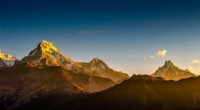
However, a few hardy species have adapted to these extreme conditions. Here are some of the most common vegetation found in the tierra helada:
* Páramo Grasslands: The most dominant feature of the tierra helada is the extensive grasslands, characterized by various species of tussock grasses, including ichu grass (Stipa ichu).
* Polylepis Forests: These unique, stunted forests are found in sheltered valleys and consist of Polylepis trees, the world's highest-growing trees. They are highly adapted to the cold, with thick bark and dense branches.
* Low-Growing Shrubs: Some hardy shrubs, like chuquiraga (a genus of thorny, cushion-like plants), are found in the tierra helada.
* Alpine Meadows: In areas with slightly more favorable conditions, small patches of colorful alpine meadows can occur, featuring delicate wildflowers like lupins, orchids, and bromeliads.
* Mosses and Lichens: These hardy organisms are common on rocks and tree trunks, thriving in the damp, cold environment.
* Cacti and Bromeliads: Some species of cacti and bromeliads have adapted to the high altitudes, often taking on unusual forms to conserve water.
It's important to note that the specific types of vegetation found in the tierra helada vary depending on the location within the Andes mountains and the specific microclimate.
Factors influencing vegetation in the tierra helada:
* Altitude: Higher altitudes are generally colder and have less oxygen, making vegetation growth more difficult.
* Sunlight: High altitudes receive intense solar radiation, which can damage plants.
* Rainfall: The tierra helada typically receives low rainfall, with most precipitation falling as snow.
* Wind: Strong winds can desiccate plants and damage their leaves.
* Soil conditions: The soils in the tierra helada are often thin, rocky, and nutrient-poor.
Despite these harsh conditions, the tierra helada supports a fascinating and resilient community of vegetation.