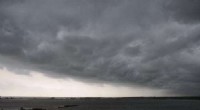
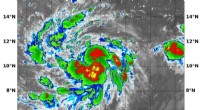
1. Air: This is the gaseous layer surrounding the Earth, composed of nitrogen, oxygen, and other gases. It's essential for respiration and supports weather patterns.
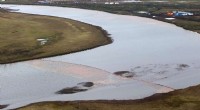
2. Water: This encompasses all forms of water on Earth, including oceans, rivers, lakes, and groundwater. It's vital for life, regulates temperature, and shapes the landscape.
3. Land: This refers to the solid, non-living portion of the Earth's surface, including mountains, valleys, plains, and soils. It provides habitats, resources, and influences weather patterns.
4. Sunlight: This is the energy radiated from the sun, providing warmth and enabling photosynthesis, the basis of life on Earth.
5. Soil: This is the upper layer of the Earth's surface, composed of minerals, organic matter, and living organisms. It supports plant life, filters water, and provides habitat.