1. Latitude:
* Solar Radiation: The angle at which the sun's rays hit the Earth's surface varies with latitude. Lower latitudes receive more direct sunlight, leading to warmer temperatures. Higher latitudes receive less direct sunlight and experience colder temperatures.
2. Altitude:
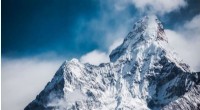
* Temperature: As altitude increases, air pressure decreases, and the air cools at a rate of about 3.5°F per 1000 feet. This results in colder temperatures at higher elevations.
* Precipitation: Mountains act as barriers to air movement, forcing air to rise and cool. This cooling can lead to increased precipitation on the windward side of the mountain, while the leeward side experiences a rain shadow with drier conditions.
3. Ocean Currents:
* Temperature: Warm currents carry heat from the tropics towards the poles, moderating coastal temperatures. Cold currents carry cold water from polar regions towards the equator, creating cooler coastal temperatures.
4. Proximity to Water:
* Temperature: Water has a higher heat capacity than land, meaning it takes longer to heat up and cool down. This moderates coastal temperatures, making them less extreme than inland temperatures.
* Humidity: Proximity to water increases humidity, influencing precipitation patterns and cloud cover.
5. Topography:
* Mountains: Mountains create rain shadows and influence wind patterns, affecting regional climates.
* Valleys: Valleys can experience unique microclimates due to differences in air circulation and temperature.
6. Vegetation:
* Albedo: The reflectivity of the surface. Darker surfaces, like forests, absorb more heat, while lighter surfaces, like snow and ice, reflect more heat.
* Evapotranspiration: Plants release water vapor into the atmosphere, influencing humidity and precipitation patterns.
7. Atmospheric Circulation:
* Jet Streams: These high-altitude winds influence the movement of weather systems and can impact temperature and precipitation patterns.
* Trade Winds: These steady winds blow from east to west near the equator, affecting ocean currents and weather patterns.
8. Human Activities:
* Greenhouse Gas Emissions: Human activities, such as burning fossil fuels, release greenhouse gases into the atmosphere, contributing to climate change and altering global temperatures and precipitation patterns.
* Land Use Changes: Deforestation, urbanization, and agriculture can all impact local climates by altering albedo, evapotranspiration, and surface temperatures.
These factors interact in complex ways to create the unique climate of any given area. Understanding these interactions is essential for predicting future climate change and developing adaptation strategies.