1. Blocking Decomposition:
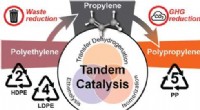
* Plastic pollution: Plastic doesn't decompose easily, leading to accumulation in the environment. This prevents the breakdown of organic matter, which is essential for nutrient recycling.
* Chemical pollutants: Heavy metals, pesticides, and other chemicals can accumulate in the soil and water, inhibiting the activity of decomposers like bacteria and fungi.
* Eutrophication: Excess nutrients from fertilizers and sewage runoff can lead to algal blooms, which deplete oxygen levels and kill off decomposers.
2. Disrupting Food Webs:
* Biomagnification: Persistent pollutants like mercury and DDT can accumulate in organisms as they move up the food chain, leading to high concentrations in top predators. This disrupts the natural balance of the ecosystem.
* Habitat loss: Pollution can destroy habitats, leading to population declines and changes in species composition, disrupting food webs.
3. Altering Nutrient Cycles:
* Acid rain: Acid rain can leach nutrients from soil, making them unavailable to plants.
* Nitrogen pollution: Excess nitrogen from fertilizers can contribute to eutrophication, disrupting the nitrogen cycle.
* Phosphorus pollution: Excess phosphorus from detergents and fertilizers can also lead to eutrophication and disrupt the phosphorus cycle.
4. Impacts on Carbon Cycle:
* Greenhouse gases: Pollution from fossil fuel burning and deforestation releases greenhouse gases, which trap heat in the atmosphere and contribute to climate change. This impacts the global carbon cycle and disrupts ecosystems.
* Ocean acidification: Increased carbon dioxide levels in the atmosphere lead to ocean acidification, which harms marine organisms, particularly those with calcium carbonate shells.
Examples of Impacts:
* Reduced biodiversity: Pollution can lead to the extinction of species, reducing biodiversity and ecosystem resilience.
* Decreased soil fertility: Pollution can inhibit the activity of decomposers, leading to decreased soil fertility and reduced plant growth.
* Health problems: Pollution can contaminate food and water sources, leading to health problems in both humans and animals.
Overall, pollution disrupts the intricate balance of natural recycling processes in ecosystems, leading to a cascade of negative consequences for the environment and human health.
Solutions:
* Reduce pollution: This can be achieved through regulations, technological advancements, and changes in consumer behavior.
* Restore ecosystems: This involves removing pollutants, replanting vegetation, and restoring habitat.
* Promote sustainable practices: This includes using renewable energy sources, reducing waste, and promoting sustainable agriculture.