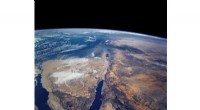
1. Atmosphere: This is the layer of gases surrounding Earth. It's composed primarily of nitrogen and oxygen, and plays a crucial role in:
* Weather and climate: The atmosphere governs weather patterns, temperature distribution, and precipitation.
* Protecting life: It filters out harmful solar radiation and keeps Earth warm enough to support life.
2. Hydrosphere: This encompasses all the water on Earth, including:
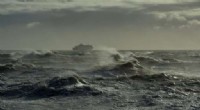
* Oceans: The vast majority of Earth's water is found in oceans, influencing climate, supporting marine life, and driving ocean currents.
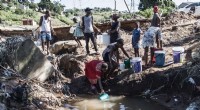
* Lakes, rivers, and groundwater: These freshwater sources play a vital role in ecosystems, human water supply, and nutrient cycling.
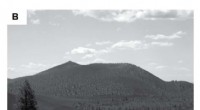
3. Geosphere: This is the solid part of Earth, including:
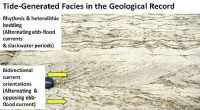
* Crust: The outer layer, composed of rock and broken into tectonic plates.
* Mantle: A thick, semi-molten layer beneath the crust.
* Core: The innermost layer, composed of iron and nickel, with a solid inner core and a liquid outer core.
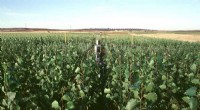
4. Biosphere: This refers to all living things on Earth, including:
* Plants and animals: This includes everything from microscopic organisms to giant whales.
* Ecosystems: These are communities of interacting living organisms and their physical environment.
Interconnections:
It's important to remember that these systems are not isolated. They constantly interact, influencing each other:
* Atmosphere and Hydrosphere: The atmosphere drives evaporation, forming clouds and precipitation. The hydrosphere influences weather patterns and moderates Earth's temperature.
* Geosphere and Biosphere: Geological processes like volcanic eruptions release gases into the atmosphere, while living organisms contribute to soil formation.
* Biosphere and Atmosphere: Plants release oxygen and absorb carbon dioxide, while animals breathe oxygen and release carbon dioxide.
Understanding these physical systems is essential for comprehending how Earth functions, the impact of human activities on the planet, and the challenges of environmental sustainability.