Large Bodies of Water:
* Moderating Temperatures: Water has a much higher heat capacity than land, meaning it takes longer to heat up and cool down. This moderating effect results in:
* Cooler summers: Coastal areas tend to have cooler summers than inland areas because the ocean absorbs heat during the day and releases it slowly at night.
* Warmer winters: The ocean releases heat during the winter, making coastal areas warmer than inland regions.
* Precipitation: Water bodies evaporate and create moisture in the atmosphere. This moisture, when carried inland by wind, contributes to precipitation. Coastal areas generally receive more rainfall than inland areas due to this process.
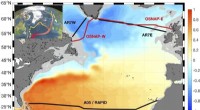
* Ocean Currents: Ocean currents play a crucial role in distributing heat around the globe. Warm currents bring tropical heat towards the poles, while cold currents move cooler polar water towards the equator. These currents influence the climate of coastal areas and even affect the temperature patterns of entire continents.
* Fog Formation: When warm, moist air moves over a cooler body of water, it can condense and create fog. This is common along coastlines and can significantly impact visibility and local weather conditions.
Mountains:
* Rain Shadow Effect: Mountains act as barriers to airflow. As air rises to cross a mountain, it cools and condenses, leading to precipitation on the windward side (the side facing the wind). This leaves the leeward side (the side sheltered from the wind) dry, creating a "rain shadow" region.
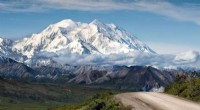
* Altitude and Temperature: Temperature decreases with altitude. Mountains are typically colder than the surrounding lowlands. This altitudinal change influences the vegetation and the types of animals that can live on the mountain slopes.
* Wind Patterns: Mountains can alter wind patterns, leading to differences in local winds and microclimates. For instance, valleys often experience "valley winds" that flow upslope during the day and downslope at night due to temperature differences.
* Snow and Glaciers: Mountains can accumulate significant amounts of snow, which can form glaciers. These glaciers store water and release it slowly, affecting river flow and water availability in downstream areas.
Overall Impact:
The combined influence of large bodies of water and mountains creates a complex interplay of climatic factors. Coastal areas tend to experience milder temperatures and higher precipitation due to the moderating effect of water, while mountain ranges create distinct differences in precipitation and temperature patterns.
These natural features have profound effects on ecosystems, human settlements, and agricultural practices. Understanding the relationship between these landforms and climate is essential for managing resources, predicting weather patterns, and adapting to the changing environment.