Environmental sustainability is threatened by a wide range of factors, many stemming from human activity. Here are some of the most significant:
1. Climate Change:
* Greenhouse Gas Emissions: Burning fossil fuels releases carbon dioxide and other greenhouse gases, trapping heat in the atmosphere and causing global warming.
* Impacts: Rising sea levels, extreme weather events, changes in precipitation patterns, and loss of biodiversity.
2. Deforestation and Habitat Loss:
* Causes: Clearing land for agriculture, logging, and urban development.
* Impacts: Loss of biodiversity, disruption of ecosystems, soil erosion, and climate change.
3. Pollution:
* Air Pollution: Emissions from factories, vehicles, and other sources pollute the air, leading to respiratory problems and other health issues.
* Water Pollution: Industrial waste, agricultural runoff, and sewage discharge contaminate water sources, affecting human and wildlife health.
* Soil Pollution: Pesticides, fertilizers, and industrial waste can degrade soil quality, reducing agricultural productivity and harming ecosystems.
4. Overpopulation and Resource Depletion:
* Overconsumption: Excessive consumption of resources like water, energy, and raw materials puts a strain on the environment.
* Resource Depletion: Over-exploitation of natural resources like forests, fisheries, and minerals can lead to scarcity and ecological imbalances.
5. Waste Generation:
* Landfills: Mountains of garbage pollute land and release harmful greenhouse gases.
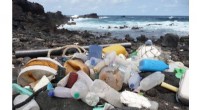
* Plastic Pollution: Persistent plastic waste contaminates oceans and harms marine life.
6. Invasive Species:
* Introduction: Non-native species can outcompete native plants and animals, disrupting ecosystems and causing ecological damage.
7. Unsustainable Agriculture:
* Intensive Farming: Practices like monoculture, heavy pesticide use, and excessive fertilizer application degrade soil health and pollute water resources.
* Livestock Production: Livestock farming contributes significantly to deforestation, greenhouse gas emissions, and water pollution.
8. Industrialization and Urbanization:
* Industrial Pollution: Factories and industrial processes release pollutants into the air, water, and soil.
* Urban Sprawl: Expanding cities consume natural habitats and contribute to pollution and resource depletion.
9. Lack of Environmental Awareness and Education:
* Consumer Choices: Lack of awareness can lead to unsustainable consumption patterns and support for environmentally harmful products and services.
* Policy Implementation: Inadequate environmental education can hinder the development of effective environmental policies and regulations.
10. Lack of International Cooperation:
* Global Issues: Environmental problems like climate change require international cooperation to find solutions.
Addressing these threats requires a multi-pronged approach, including:
* Promoting Sustainable Practices: Transitioning to renewable energy, reducing waste, and promoting sustainable consumption.
* Protecting Natural Resources: Conserving forests, protecting biodiversity, and managing water resources sustainably.
* Investing in Environmental Technologies: Developing and implementing green technologies to reduce pollution and promote resource efficiency.
* Educating and Engaging the Public: Raising awareness about environmental issues and promoting sustainable lifestyles.
* Strengthening Environmental Regulations: Enforcing stricter environmental regulations to prevent pollution and protect natural resources.
* Investing in Research and Development: Investing in research to develop innovative solutions to environmental problems.
It's crucial to remember that these are interconnected issues, and addressing one threat can often contribute to addressing others. Only through collective action and a commitment to sustainable practices can we ensure the health of our planet for future generations.