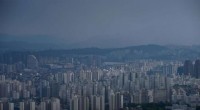
Sight pollution, also known as visual pollution or light pollution, is the degradation of the natural or scenic quality of an environment due to the intrusive presence of artificial light and objects. It affects both the natural environment and the urban landscape, impacting our well-being and ecosystems.
Here's a breakdown:
Causes:
* Excessive artificial light: Over-illumination from streetlights, billboards, and building facades.
* Glare: Bright light reflecting off surfaces, causing discomfort and obscuring vision.
* Clutter: Unnecessary signage, power lines, and other man-made structures that disrupt the view.
* Disordered development: Poorly planned urban areas with haphazard structures and signage.
* Uncontrolled outdoor lighting: Lights shining directly into the sky, wasting energy and polluting the night sky.
Impacts:
* Negative impacts on wildlife: Disrupted migration patterns, nocturnal animal behavior, and habitat loss.
* Health problems: Increased stress, sleep disorders, and eye strain.
* Reduced aesthetic value: Obscuring scenic views and natural beauty.
* Energy waste: Inefficient use of lighting, leading to higher energy bills.
* Diminished night sky visibility: Interference with stargazing and astronomical observation.
Solutions:
* Shielding light sources: Using shades and shields to direct light downwards and reduce glare.
* Using low-intensity lighting: Employing energy-efficient LED lights with reduced brightness.
* Implementing smart lighting systems: Automating lighting controls based on time and need.
* Reducing clutter and signage: Minimizing unnecessary visual noise in urban environments.
* Promoting sustainable urban design: Planning for balanced and aesthetically pleasing developments.
Sight pollution is a growing concern with significant implications for our environment and health. By understanding the causes and impacts of this issue, we can work towards creating more visually appealing and sustainable spaces for future generations.