1. Habitat Loss and Fragmentation:
* Deforestation: Clearing forests for agriculture, logging, and urbanization destroys habitats and disrupts ecosystems.
* Urbanization: Expanding cities and infrastructure fragment habitats, isolating populations and reducing biodiversity.
* Agriculture: Monocultures and intensive farming practices reduce habitat diversity and increase soil erosion.
2. Pollution:
* Air pollution: Emissions from industries, vehicles, and power plants contribute to smog, acid rain, and climate change.
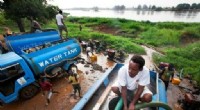
* Water pollution: Industrial waste, agricultural runoff, and sewage contaminate water bodies, harming aquatic life.
* Plastic pollution: Plastic waste accumulates in oceans and landfills, harming wildlife and polluting ecosystems.
3. Climate Change:
* Greenhouse gas emissions: Burning fossil fuels releases greenhouse gases like carbon dioxide, trapping heat and causing global warming.
* Ocean acidification: Increased carbon dioxide in the atmosphere dissolves in the ocean, making it more acidic and harming marine life.
* Extreme weather events: Climate change increases the frequency and intensity of hurricanes, droughts, and floods, disrupting ecosystems.
4. Overexploitation:
* Overfishing: Excessive fishing depletes fish stocks and disrupts marine ecosystems.
* Hunting and poaching: Illegal hunting and poaching can drive species to extinction.
* Resource extraction: Mining, oil drilling, and other resource extraction activities destroy habitats and pollute ecosystems.
5. Invasive Species:
* Introduced species: Humans unintentionally or intentionally introduce species to new environments, where they can outcompete native species and disrupt ecosystems.
* Spread of diseases: Invasive species can carry diseases that affect native wildlife.
Consequences of Ecological Imbalance:
* Loss of biodiversity: Reduced biodiversity weakens ecosystems and makes them more vulnerable to disease and collapse.
* Ecosystem services disruption: Loss of ecosystem services such as pollination, water purification, and climate regulation can have significant economic and social consequences.
* Human health impacts: Pollution, climate change, and ecosystem disruption can negatively impact human health.
Solutions:
* Conservation and restoration efforts: Protecting natural habitats, restoring degraded ecosystems, and managing natural resources sustainably.
* Sustainable agriculture: Promoting organic farming, agroforestry, and other sustainable agricultural practices.
* Reducing pollution: Implementing stricter regulations and using cleaner technologies to reduce pollution.
* Addressing climate change: Reducing greenhouse gas emissions and investing in renewable energy sources.
* Educating and engaging the public: Raising awareness about the importance of ecological balance and promoting responsible environmental stewardship.
By understanding the impact of human activities on the ecological balance and taking action to mitigate these impacts, we can work towards a more sustainable future.