1. Reduced Root System:
* Holding the Soil: Plant roots act like a natural network of fibers, anchoring the soil and preventing it from being easily dislodged by wind or water.
* Soil Structure: Roots help improve soil structure by creating channels for water infiltration and aeration, making the soil more resistant to erosion.
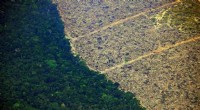
* Removal: When plants are removed, the soil loses its natural binding and stabilizing force, making it vulnerable to erosion.
2. Reduced Ground Cover:
* Protection from Rain: Plant canopies and leaves act as a shield against the direct impact of raindrops, which can break down soil particles and cause them to wash away.
* Slowing Water Flow: Vegetation slows down the flow of water, reducing its erosive power and allowing it to infiltrate the soil more effectively.
* Removal: When plants are removed, the ground is exposed to the full force of rainfall, leading to increased runoff and soil erosion.
3. Increased Wind Erosion:
* Windbreaks: Plants and trees act as windbreaks, reducing the velocity of winds and preventing them from picking up and carrying away topsoil.
* Removal: The removal of trees and vegetation exposes the soil to strong winds, which can easily erode and transport soil particles, leading to dust storms and desertification.
4. Changes in Soil Moisture:
* Evaporation: Plants help regulate soil moisture by absorbing water through their roots and transpiring it into the atmosphere.
* Removal: When plants are removed, the soil is exposed to higher rates of evaporation, leading to dryness and increased vulnerability to erosion.
5. Nutrient Loss:
* Nutrient Cycling: Plants play a vital role in nutrient cycling by absorbing nutrients from the soil and releasing them back into the ecosystem through decomposition.
* Removal: The removal of vegetation disrupts this nutrient cycle, leading to a depletion of essential nutrients in the soil, further weakening its ability to resist erosion.
Consequences of Soil Erosion:
* Loss of Fertile Land: Erosion degrades the soil, reducing its fertility and ability to support plant life, leading to decreased agricultural productivity.
* Water Pollution: Eroded soil can end up in waterways, polluting water sources and damaging aquatic ecosystems.
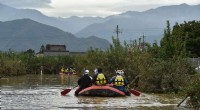
* Increased Flooding: Erosion can reduce the soil's ability to absorb water, leading to increased runoff and flooding.
* Desertification: Severe erosion can contribute to desertification, turning fertile land into barren areas with limited vegetation and biodiversity.
Therefore, preserving plant cover is essential for maintaining soil health, preventing erosion, and ensuring the sustainability of ecosystems.