Atmosphere:
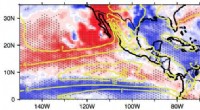
* Altered air circulation: Mountains act as barriers to prevailing winds, forcing them to rise and cool. This cooling leads to condensation and precipitation on the windward side of the mountains, creating rain shadows and drier conditions on the leeward side.
* Increased precipitation: The windward side of mountains receives significantly more precipitation due to the orographic effect, leading to lush vegetation and increased river flow.
* Changes in temperature: Higher elevations experience colder temperatures than lower elevations, influencing the distribution of plant and animal life.
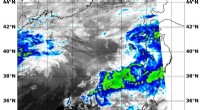
* Formation of clouds: The rising air currents create clouds, leading to localized weather patterns and influencing rainfall distribution.
Biosphere:
* Distinct biodiversity: Different elevations on mountains support a variety of ecosystems, creating a mosaic of habitats with unique plant and animal communities adapted to specific conditions.
* Vertical zonation: Mountain slopes exhibit distinct vegetation zones, with higher elevations supporting alpine tundra, subalpine forests, and lower elevations hosting temperate forests or grasslands.
* Endemic species: The isolation of mountain ranges can lead to the evolution of unique and endemic species, contributing to global biodiversity.
* Ecosystem services: Mountains are crucial for water regulation, carbon sequestration, and biodiversity conservation.
Hydrosphere:
* River formation: Mountains are the source of many major rivers, with precipitation and snowmelt feeding river systems that flow down their slopes.
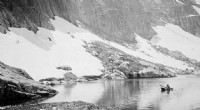
* Water storage: Snow and ice accumulation in high altitudes acts as a reservoir, releasing water gradually throughout the year, contributing to streamflow and water availability.
* Erosion and sedimentation: Mountain slopes are prone to erosion, which transports sediments and nutrients into rivers, affecting downstream ecosystems and water quality.
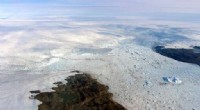
* Glacial landscapes: Glaciers carve out valleys, create lakes, and influence the landscape, contributing to the formation of unique geological features.
Examples:
* The Himalayas, the world's tallest mountain range, influence the monsoon winds, creating rain shadows in the Tibetan Plateau and influencing the climate of South Asia.
* The Andes Mountains create distinct climates on their east and west slopes, supporting diverse ecosystems from rainforests to deserts.
* The Rocky Mountains influence water availability and the agricultural productivity of the Great Plains of North America.
Overall:
Mountain building is a complex process that significantly shapes the Earth's systems. It alters atmospheric circulation, creates diverse ecosystems, influences water cycles, and contributes to the planet's rich biodiversity. Understanding these effects is crucial for managing resources, protecting ecosystems, and understanding the Earth's dynamic landscape.