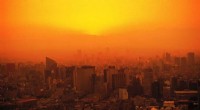
* Atmosphere: The layer of gases surrounding the Earth. It's composed primarily of nitrogen, oxygen, and other trace gases. It protects us from harmful radiation and regulates temperature.
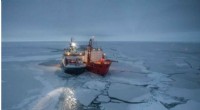
* Hydrosphere: All the water on Earth, including oceans, lakes, rivers, groundwater, and ice. It's essential for life and plays a vital role in regulating climate.
* Lithosphere: The Earth's solid, rocky outer layer, including the crust and upper mantle. It provides the foundation for life and contains important mineral resources.
* Biosphere: The zone of life on Earth, encompassing all living organisms and their interactions with the other spheres. It includes plants, animals, fungi, bacteria, and all ecosystems.
These spheres are interconnected and constantly interact with each other. For example:
* The atmosphere interacts with the hydrosphere through the water cycle, where water evaporates, forms clouds, and precipitates back to Earth.
* The lithosphere interacts with the biosphere through weathering and erosion, which shape the landscape and provide nutrients for plants.
* The biosphere interacts with the atmosphere through photosynthesis, where plants absorb carbon dioxide and release oxygen.
Understanding these interactions is crucial for understanding how the environment works and how we can protect it.