Common Forest Dwellers:
* Mammals:
* Large: Deer, elk, moose, bears, wolves, wild boars, tapirs, monkeys, elephants, leopards, tigers
* Small: Squirrels, rabbits, mice, rats, chipmunks, opossums, foxes, badgers, weasels, hedgehogs, bats, sloths, porcupines
* Birds:
* Large: Eagles, hawks, owls, vultures, parrots, toucans, woodpeckers
* Small: Robins, sparrows, finches, warblers, hummingbirds, wrens, owls, woodpeckers, cuckoos
* Reptiles: Lizards, snakes, turtles, tortoises, crocodiles (in some regions)
* Amphibians: Frogs, toads, salamanders
* Insects: Ants, beetles, butterflies, moths, grasshoppers, spiders, centipedes, millipedes
Specific Examples:
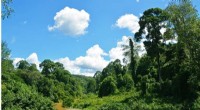
* Rainforests: Monkeys, sloths, jaguars, toucans, parrots, snakes, frogs, ants, butterflies
* Temperate Forests: Deer, squirrels, rabbits, foxes, owls, woodpeckers, snakes, salamanders
* Boreal Forests: Moose, wolves, lynx, snowshoe hares, owls, woodpeckers
Factors Affecting Forest Animals:
* Climate: Temperature, rainfall, and seasonality all influence which animals can survive in a particular forest.
* Geography: Mountains, rivers, and other geographic features create different habitats within a forest.
* Food Availability: The types of plants and animals available for food determine which species can thrive.
* Predation: Predators like wolves, foxes, and hawks play a crucial role in shaping the populations of their prey.
To get a more specific list, you could tell me what type of forest you're interested in!