Geological Processes:
* Plate Tectonics: The movement of Earth's tectonic plates causes earthquakes, volcanic eruptions, mountain building, and the formation of ocean basins. These processes reshape the Earth's surface on a grand scale.
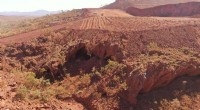
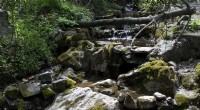
* Erosion: Wind, water, and ice wear away rock and soil, transporting them to other locations. This process sculpts landscapes, creating canyons, valleys, and deltas.
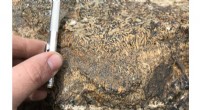
* Weathering: The breakdown of rocks, soils, and minerals through physical and chemical processes. Weathering exposes fresh rock surfaces for erosion and creates soil for plant life.
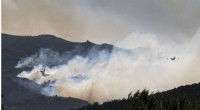
* Volcanic Activity: Eruptions release lava, ash, and gases that can drastically alter landscapes, creating new landforms and impacting surrounding ecosystems.
Climate and Weather:
* Solar Radiation: The Sun's energy drives weather patterns, climate zones, and ocean currents. Variations in solar radiation influence temperature, precipitation, and wind.
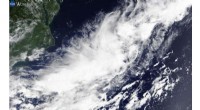
* Atmospheric Circulation: Global patterns of wind and pressure systems distribute heat and moisture around the Earth, influencing regional climates.
* Ocean Currents: These currents transport heat and influence weather patterns, affecting coastlines and global climates.
* Precipitation: Rain, snow, and other forms of precipitation shape landscapes through erosion, create bodies of water, and nourish ecosystems.
Biological Processes:
* Plant Life: Plants contribute to weathering, erosion, and soil formation. They also play a role in regulating climate through photosynthesis and transpiration.
* Animal Life: Animals contribute to soil formation, erosion, and seed dispersal. They can also impact plant communities through grazing and predation.
* Microbial Activity: Microorganisms decompose organic matter, release nutrients, and influence soil chemistry. They play a vital role in ecosystem health.
Other Factors:
* Gravity: Gravity pulls everything towards the Earth's center, shaping landscapes and influencing the flow of water and other materials.
* Time: Over long periods, natural processes act cumulatively to significantly reshape the Earth's surface.
Examples:
* Grand Canyon: Formed by the Colorado River eroding through layers of rock over millions of years.
* Mount Fuji: A volcanic mountain formed by eruptions over time.
* Amazon Rainforest: A vast ecosystem shaped by abundant rainfall and fertile soils.
* Great Barrier Reef: A coral reef system formed by the growth and accumulation of coral polyps over thousands of years.
Understanding how natural factors affect the Earth's surface is crucial for:
* Predicting natural disasters: Identifying areas vulnerable to earthquakes, volcanic eruptions, and other hazards.
* Managing resources: Protecting ecosystems, preserving biodiversity, and mitigating the impact of climate change.
* Planning for future development: Considering natural processes when constructing infrastructure and managing land use.
The Earth's surface is a dynamic and ever-changing system shaped by the interplay of numerous natural factors. By understanding these processes, we can better appreciate the beauty and complexity of our planet and make informed decisions for its future.