1. Natural Disasters:
* Earthquakes, volcanoes, and tsunamis: Understanding plate tectonics and geological processes allows us to predict and prepare for these devastating events, saving lives and protecting infrastructure.
* Flooding and landslides: Studying weather patterns, soil types, and land use helps us mitigate risks from floods and landslides, protecting communities and property.
2. Resource Management:
* Water resources: Earth science helps us understand the availability and quality of groundwater and surface water, guiding decisions on water allocation and conservation.
* Mineral and energy resources: Geologists locate and extract resources like oil, gas, and minerals, vital for our energy needs and industrial development.
* Soil fertility: Understanding soil composition and formation helps us manage agricultural lands for food production and environmental sustainability.
3. Climate Change:
* Climate modeling: Earth science data and models help us understand the impacts of climate change, predict future scenarios, and inform policies for mitigating its effects.
* Ocean currents and sea level rise: Studying oceanographic processes helps us understand the rise in sea levels and its implications for coastal communities.
4. Environmental Protection:
* Pollution monitoring and remediation: Earth science tools are essential for identifying and cleaning up environmental pollutants, protecting ecosystems and human health.
* Biodiversity conservation: Understanding geological processes and landforms is crucial for protecting biodiversity hotspots and managing natural areas.
5. Infrastructure Development:
* Construction and engineering: Geological surveys inform the construction of buildings, roads, bridges, and other infrastructure, ensuring safety and stability.
* Transportation and communication: Earth science helps us understand geological conditions for laying pipelines, building roads, and installing communication infrastructure.
6. Everyday Life:
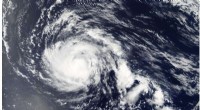
* Weather forecasting: Meteorology, a branch of earth science, provides daily forecasts, helping us plan our activities and stay safe.
* Outdoor recreation: Understanding geology and natural landscapes enhances our enjoyment of outdoor activities like hiking, camping, and exploring.
These are just some examples of how earth science is deeply connected to our daily lives and crucial for making informed decisions about our planet.