* Dry: Wind has a much easier time moving dry soil particles than moist soil. Moisture acts as a binder, holding soil together.
* Loose: Soil that is loose and lacks a strong structure is more easily picked up and carried by the wind. This is often the case in areas with sandy or silty soil.
* Sparsely Vegetated: Plant roots help bind the soil together, preventing it from blowing away. Areas with little vegetation are left vulnerable to wind erosion.
Examples of land types that are highly susceptible to wind erosion:
* Deserts: Lack of moisture and vegetation make deserts prime targets for wind erosion.
* Dry grasslands: While grasses provide some protection, overgrazing or drought can lead to bare patches of land, increasing vulnerability to wind.
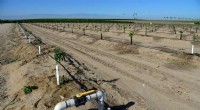
* Newly cultivated fields: Fields that have been recently plowed or tilled are exposed to the wind and lack the protective cover of crops.
* Construction sites: Construction often disrupts the soil and leaves it vulnerable to wind erosion until vegetation is re-established.
It's important to note: While these land types are most prone to wind erosion, any land that is not properly managed can be susceptible.