Here's a breakdown:
* Erosion: The process of moving weathered material (like rocks, soil, and sediment) from one place to another.
* Wind Erosion: Wind picks up and carries away loose material, like sand and dust. This can create sand dunes, dust storms, and even carve out canyons.
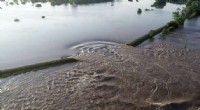
* Water Erosion: Moving water, like rivers, streams, and waves, can wear away the Earth's surface. This can create valleys, gorges, canyons, and even shape coastlines.
In simpler terms, imagine the Earth's surface like a giant sandcastle. Wind and water act like the waves and the wind, slowly chipping away at the sandcastle until it's smaller or even gone.
Here are some examples of how wind and water erode the Earth:
* Wind:
* Sandblasting: Wind carrying sand particles can wear away rock surfaces like sandpaper.
* Deflation: Wind removes loose soil and sand, leaving behind depressions or hollow areas.
* Water:
* River Erosion: Rivers carve out channels, create valleys, and transport sediment downstream.
* Coastal Erosion: Waves crash against coastlines, wearing away rocks and shaping the coastline.
* Glacial Erosion: Large glaciers carve out valleys, create lakes, and transport huge amounts of rock and soil.
Erosion is a natural process that helps shape the Earth's surface. It can be beneficial, like creating fertile soil, but it can also be damaging, like causing land loss or damaging infrastructure.