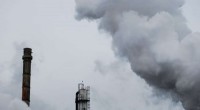
1. Meteorology: This branch of Earth Science studies the atmosphere, weather patterns, and climate. Meteorologists use their knowledge to predict weather events, track storms, and understand the impacts of climate change. They often use tools like weather satellites, radar, and computer models.
2. Geology: This field investigates the Earth's solid, non-living components. Geologists study rocks, minerals, volcanoes, earthquakes, and the formation of mountains and continents. They use their knowledge to find resources like oil and gas, understand natural hazards, and explore the history of our planet.
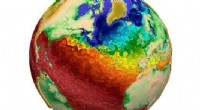
3. Oceanography: This branch of Earth Science focuses on the oceans and their processes. Oceanographers study ocean currents, tides, marine life, and the impact of human activities on the marine environment. They use research vessels, remotely operated vehicles (ROVs), and sophisticated sensors to gather data.