1. Latitude:
* Solar Radiation: The angle at which the sun's rays hit the Earth determines the amount of solar energy received. The closer to the equator, the more direct the sunlight and the warmer the climate. At higher latitudes, the sun's rays are spread over a larger area, resulting in colder temperatures.
* Day Length: Day length varies with latitude, with longer days in the summer and shorter days in the winter. This affects the amount of solar energy received and influences temperature patterns.
2. Altitude:
* Air Pressure and Density: As altitude increases, air pressure decreases, leading to thinner air. This results in lower air temperatures and a higher rate of cooling at higher elevations.
* Insolation: The higher the altitude, the more direct the sunlight, but also less air to absorb it. This leads to greater temperature variations between day and night.
3. Ocean Currents:
* Heat Transfer: Warm currents carry heat from the tropics towards the poles, while cold currents move from the poles toward the equator. This process helps to moderate global temperatures.
* Coastal Influences: Ocean currents can influence the climates of coastal areas, making them milder than inland regions at similar latitudes.
4. Topography:
* Mountain Ranges: Mountain ranges can act as barriers to air movement, creating rain shadows on the leeward (downwind) side and more humid conditions on the windward (upwind) side.
* Valleys: Valleys can trap cold air, leading to colder temperatures than surrounding areas.
5. Air Masses:
* Source Regions: Air masses develop over specific regions with distinct temperature and moisture characteristics. For example, maritime air masses develop over oceans and are generally moist, while continental air masses develop over land and are typically drier.
* Movement and Interactions: Air masses move and interact, leading to changes in weather patterns and ultimately shaping climate.
6. Human Activities:
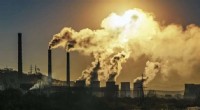
* Greenhouse Gas Emissions: Human activities, such as burning fossil fuels, have significantly increased greenhouse gas concentrations in the atmosphere, leading to global warming and changes in climate patterns.
* Land Use Changes: Deforestation, urbanization, and agriculture can alter local climates by changing the reflectivity of the land surface, altering water cycles, and modifying atmospheric conditions.
It's important to remember that these factors interact in complex ways to create the diverse climates we see across the globe.