1. Land Use:
* Agriculture: Humans have long relied on land for growing crops and raising livestock. This includes traditional farming, modern industrial agriculture, and everything in between.
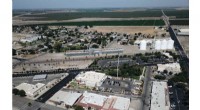
* Urbanization: As populations grow, more land is converted for cities, towns, and infrastructure like roads and buildings.
* Forestry: Humans use land for logging, timber production, and other forestry practices.
* Mining: Extraction of minerals, oil, and other resources requires significant land use.
* Recreation: Parks, forests, beaches, and other natural areas provide opportunities for recreation and tourism.
2. Land Management:
* Conservation: Protecting and managing natural ecosystems for their biodiversity, ecological services, and cultural values.
* Restoration: Reversing degradation and restoring damaged ecosystems to their original state.
* Land Tenure: Defining ownership and rights to land, which can have significant social and economic implications.
* Environmental Regulation: Implementing policies and regulations to protect the environment and prevent harmful land use practices.
3. Land and Culture:
* Indigenous Land Rights: Acknowledging and respecting the historical and cultural connection of indigenous peoples to their traditional lands.
* Sacred Sites: Many cultures hold specific land areas as sacred or significant for religious or spiritual reasons.
* Cultural Landscape: The imprint of human activities on the land, creating landscapes with unique cultural values and significance.
4. Land and the Environment:
* Climate Change: Land use practices, especially deforestation and agriculture, can significantly impact global climate patterns.
* Biodiversity Loss: Habitat destruction and fragmentation due to land use can lead to a decline in biodiversity.
* Pollution: Land use activities can pollute water, air, and soil with chemicals, waste, and other contaminants.
5. Land and Equity:
* Land Access and Ownership: Unequal access to land, particularly for marginalized communities, can exacerbate social and economic inequalities.
* Land Grabbing: The acquisition of land by powerful entities, often displacing local communities.
* Sustainable Land Management: Developing practices that meet the needs of the present without compromising the ability of future generations to meet their own needs.
In summary, human interaction with land is a complex and multifaceted process that impacts both human society and the environment. Understanding these interactions is crucial for ensuring sustainable land management and building a just and equitable future.