Environmental impact refers to the changes that human activities cause in the natural world. It's about how our actions, both big and small, affect the environment around us, from the air we breathe to the water we drink. These impacts can be:
1. Positive:
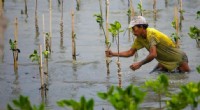
* Conservation efforts: Planting trees, protecting endangered species, reducing pollution, promoting sustainable practices can have a positive impact on the environment.
2. Negative:
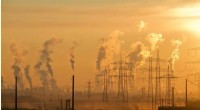
* Pollution: Air pollution from cars and factories, water pollution from sewage and industrial waste, and land pollution from garbage and chemicals all damage the environment.
* Climate change: Our dependence on fossil fuels contributes to global warming, impacting weather patterns, rising sea levels, and extreme weather events.
* Habitat destruction: Deforestation, urbanization, and agriculture destroy natural habitats and threaten biodiversity.
* Resource depletion: Over-harvesting of resources like fish and timber leads to their depletion and impacts ecosystems.
It's important to remember that environmental impacts can be:
* Direct: Immediately visible and measurable, like a factory releasing smoke into the air.
* Indirect: Less obvious, but just as important, like the effects of pesticide runoff on a river ecosystem.
* Cumulative: Small, seemingly insignificant actions can add up to a significant impact over time.
Understanding environmental impact is crucial because it helps us:
* Identify problems: We can pinpoint the specific activities that are damaging the environment.
* Develop solutions: By understanding the consequences of our actions, we can work towards finding solutions to minimize negative impacts.
* Make informed choices: We can become more aware of our own environmental footprint and make conscious decisions to reduce our impact.
The key takeaway: Every human action has an environmental impact, and it's our responsibility to act in ways that minimize negative impacts and promote sustainability for a healthier planet.