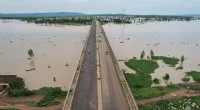
Natural Causes:
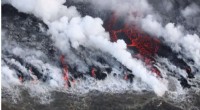
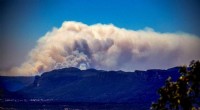
* Natural disasters: Earthquakes, volcanic eruptions, floods, landslides, wildfires, and tsunamis can drastically reshape landscapes.
* Erosion: Wind and water erosion can gradually wear down mountains, create canyons, and deposit sediment in other areas.
* Climate change: Shifting weather patterns can lead to desertification, glacial melt, and rising sea levels, altering landscapes over time.
Human-Induced Causes:
* Deforestation: Clearing forests for agriculture, logging, or development removes trees that stabilize soil and absorb water, leading to erosion and landslides.
* Mining: Open-pit and underground mining operations can leave behind large scars on the landscape, polluting water and disrupting ecosystems.
* Construction: Urban sprawl, roads, dams, and other infrastructure projects can fragment habitats, alter water flow, and pollute the environment.
* Pollution: Air, water, and soil pollution from industrial activities, agriculture, and waste disposal can damage landscapes and threaten biodiversity.
* Overgrazing: Excessive grazing by livestock can degrade soil and vegetation, making land vulnerable to erosion.
Consequences of Landscape Destruction:
* Loss of biodiversity: The destruction of habitats can lead to the extinction of species and reduce the overall biodiversity of an area.
* Soil degradation: Erosion, compaction, and contamination can reduce the fertility and productivity of soil, making it difficult to grow crops or support vegetation.
* Water pollution: Runoff from damaged landscapes can carry pollutants into waterways, harming aquatic life and making water unsafe for drinking.
* Climate change: Landscape destruction can exacerbate climate change by reducing carbon sinks and increasing greenhouse gas emissions.
* Economic impacts: The destruction of landscapes can have significant economic consequences, including loss of tourism revenue, reduced agricultural productivity, and increased costs for remediation.
Mitigation and Prevention:
* Sustainable land management: Practices such as agroforestry, reforestation, and soil conservation can help mitigate the impacts of landscape destruction.
* Environmental regulations: Stricter regulations on deforestation, mining, and pollution can help protect landscapes.
* Public awareness: Educating the public about the importance of protecting landscapes and promoting sustainable practices can encourage individual action.
* Restoration efforts: Rehabilitation and restoration projects can help restore degraded landscapes to a more natural state.
In conclusion, the destruction of physical landscapes is a serious problem with far-reaching consequences for the environment and society. Understanding the causes, consequences, and mitigation measures is crucial for preserving the beauty and integrity of our planet's natural landscapes.