Here's a breakdown of what an environment can contain:
1. Physical Components:
* Abiotic factors: Non-living things like air, water, soil, sunlight, temperature, and minerals.
* Biotic factors: Living organisms like plants, animals, fungi, and bacteria.
2. Social and Cultural Components:
* Human society: This includes social structures, institutions, cultural norms, and human activities.
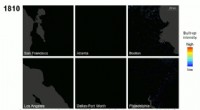
* Built environment: Structures and infrastructure created by humans like buildings, roads, and bridges.
3. Specific Environments:
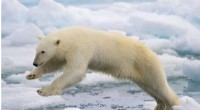
* Natural environments: Forests, oceans, deserts, mountains, etc., characterized by natural elements.
* Urban environments: Cities and towns with high human population density and built infrastructure.
* Workplace environments: Offices, factories, construction sites, etc., designed for specific tasks.
4. The Impact of Humans:
* Pollution: Air, water, and soil pollution from human activities.
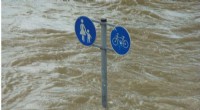
* Climate change: Global warming and its impact on weather patterns and ecosystems.
* Deforestation: Clearing of forests for agriculture, development, or other human uses.
Examples:
* The environment of a fish: Includes the water it lives in, the temperature of the water, the food sources available, and other fish it interacts with.
* The environment of a city: Includes buildings, roads, parks, transportation systems, and the people who live and work there.
* The environment of a classroom: Includes desks, chairs, a whiteboard, windows, the teacher, and the students.
It's important to remember that the specific components of an environment can vary greatly depending on what we are talking about. However, the general concept of an environment as a system of interacting components remains consistent.