1. Biodiversity and Evolution:
* Geographic Isolation: Different locations lead to different environments, fostering the evolution of unique species adapted to their specific conditions. Islands, for example, often house endemic species found nowhere else due to their isolation.
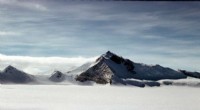
* Habitat Variation: From tropical rainforests to polar ice caps, diverse habitats across the globe create niches for distinct organisms with specialized adaptations.
* Species Distribution: Location dictates where species can thrive. The distribution of plants and animals is influenced by factors like climate, available resources, and geographical barriers. This helps us understand how life has spread across the planet.
2. Human Societies and Culture:
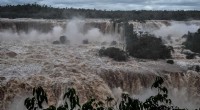
* Resource Availability: The presence or absence of resources like water, fertile land, and minerals shapes where humans settle and how they interact with their environment. This influences their economic activities, food sources, and cultural practices.
* Climate and Geography: Different locations have varying climates and geographical features. These factors have shaped human societies, influencing their architecture, clothing, agriculture, and even their beliefs and traditions.
* Migration and Trade: Throughout history, human migration and trade have been heavily influenced by location. People have moved in search of better opportunities, to escape conflict, or due to environmental changes. This exchange of goods and ideas has led to cultural diversity and globalization.
3. Environmental Challenges and Sustainability:
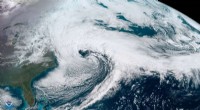
* Climate Change: Location plays a critical role in understanding and addressing climate change. Different regions experience varying impacts, from rising sea levels to extreme weather events. This highlights the importance of localized solutions and international cooperation.
* Resource Depletion: Overexploitation of resources, particularly in specific locations, can lead to environmental degradation and resource scarcity. Understanding the impact of human activities on different ecosystems is essential for sustainable management.
* Biodiversity Conservation: Protecting specific locations with high biodiversity is crucial for safeguarding ecosystems and preserving the natural world. This includes protecting rainforests, coral reefs, and other unique habitats.
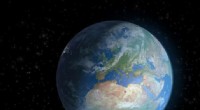
In conclusion: Location is not just a geographical concept but a powerful force shaping life on Earth. It influences the evolution of species, the development of human societies, and the challenges we face in preserving our planet. By understanding the relationship between location and life, we can gain a deeper appreciation of the intricate web of interconnectedness that binds all living things.