Accessibility and Resources:
* Coastal Areas: People often settle near coastlines for access to fishing, trade routes, and transportation.
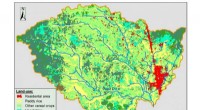
* Rivers and Valleys: These areas offer fertile land for agriculture, access to water for drinking and irrigation, and natural transportation routes.
* Mountains: While challenging to inhabit, mountains can provide valuable resources like timber and mineral deposits. They also offer protection from invaders and harsh weather.
Climate and Weather:
* Latitude and Altitude: Landforms influence climate patterns. Higher altitudes generally have colder temperatures, while locations near bodies of water have more moderate climates.
* Wind Patterns and Rainfall: Mountains can create rain shadows, leading to different rainfall patterns on opposite sides.
* Natural Disasters: Areas prone to earthquakes, volcanic eruptions, floods, or landslides are less desirable for settlement.
Defense and Security:
* Mountains and Hills: These features can offer natural defense against invaders.
* Deserts and Swamps: These difficult terrains can act as barriers to attack.
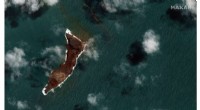
* Islands: Islands can provide natural isolation and protection.
Economic Opportunities:
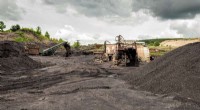
* Mineral Deposits: Mountains often contain mineral deposits, attracting mining communities.
* Agriculture: Fertile valleys and plains are ideal for farming.
* Tourism: Scenic landscapes, such as mountains, coastlines, and forests, attract tourists, boosting local economies.
Social and Cultural Factors:
* Cultural Identity: Some groups have strong ties to specific landforms, like the indigenous peoples of the Amazon rainforest or the Bedouin of the desert.
* Community Development: The location and size of landforms can influence the size and density of settlements.
Challenges and Constraints:
* Steep Slopes: Building and farming on steep slopes is difficult and can lead to erosion.
* Limited Resources: Some landforms, like deserts, have limited water and other resources, making them less suitable for habitation.
* Extreme Weather: Areas prone to hurricanes, tornadoes, or droughts can pose significant risks.
In summary, the location and size of landforms are crucial factors determining where people choose to live. They influence access to resources, climate conditions, security, economic opportunities, and social and cultural identity. People strive to find a balance between the benefits and challenges presented by different landforms to create sustainable and thriving communities.