Natural hazards are events that occur in the natural environment and pose a threat to human life, property, or the environment. These are caused by natural processes and cannot be prevented.
Examples of natural hazards include:
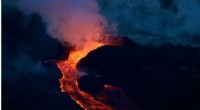
* Geological hazards: Earthquakes, volcanic eruptions, landslides, tsunamis, sinkholes.
* Hydrological hazards: Floods, droughts, avalanches.
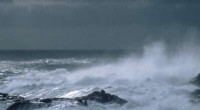
* Meteorological hazards: Storms (hurricanes, tornadoes, cyclones), heatwaves, blizzards, hailstorms, wildfires.
* Biological hazards: Epidemics, pandemics, insect infestations.
Man-made hazards, also known as anthropogenic hazards, are events that occur due to human activities. These are often caused by negligence, faulty technology, or intentional acts.
Examples of man-made hazards include:
* Technological hazards: Accidents in industrial plants, oil spills, nuclear disasters, dam failures, transportation accidents, fires, explosions.
* Environmental hazards: Pollution (air, water, soil), deforestation, habitat loss, climate change.
* Social hazards: War, terrorism, crime, riots, famine, food shortages, poverty, displacement.
Key Differences:
* Origin: Natural hazards are caused by natural processes, while man-made hazards are caused by human actions.
* Predictability: While some natural hazards like earthquakes and volcanic eruptions can be predicted, others like floods or wildfires are more difficult to predict. Man-made hazards are often more predictable since they are a result of human actions.
* Controllability: Natural hazards are generally uncontrollable, while man-made hazards can be mitigated or prevented through careful planning and risk assessment.
Understanding both natural and man-made hazards is crucial for:
* Disaster preparedness: Developing plans and strategies to minimize the impact of these hazards.
* Risk assessment: Identifying and evaluating potential hazards to make informed decisions.
* Mitigation strategies: Implementing measures to reduce the likelihood and severity of these hazards.
By understanding these hazards, we can work towards building more resilient communities and protecting ourselves from the potential risks they pose.