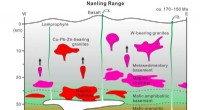
1. Geology:
* Formation and Evolution: Geology investigates the processes that create and shape landforms, including plate tectonics (volcanoes, mountains, trenches), erosion (canyons, valleys, beaches), weathering (cliffs, caves), and deposition (deltas, sand dunes).
* Rock Types and Structures: Landforms provide clues about the underlying rock types and geological structures. For example, the presence of granite peaks suggests a history of volcanic activity, while sedimentary rock formations indicate past environments like ancient rivers or deserts.
* Earth History: Studying landforms helps us understand Earth's history, including past climates, tectonic events, and the evolution of life.
2. Geography:
* Spatial Distribution: Geography studies the distribution of landforms across the Earth's surface, considering factors like latitude, climate, and tectonic activity.
* Human-Landform Interaction: Geography explores how humans interact with landforms, including the impact of urbanization, agriculture, and resource extraction.
3. Ecology:
* Habitat Diversity: Landforms create diverse habitats for plants and animals. Different landforms, such as mountains, wetlands, and deserts, support unique ecosystems.
* Resource Management: Understanding landforms is crucial for managing natural resources like water, soil, and biodiversity.
4. Climate Science:
* Climate Influences: Landforms influence local and regional climates. For example, mountains create rain shadows, while coastal landforms affect wind patterns and ocean currents.
* Climate Change Impacts: Landforms are sensitive to climate change. Melting glaciers, rising sea levels, and changes in precipitation patterns can alter landforms significantly.
5. Environmental Science:
* Natural Hazards: Landforms play a role in natural hazards like earthquakes, volcanic eruptions, landslides, and floods. Understanding landforms helps us mitigate these hazards and protect human populations.
* Environmental Degradation: Human activities can degrade landforms through deforestation, mining, and pollution. Environmental science studies these impacts and seeks solutions for sustainable land management.
6. Engineering and Construction:
* Construction Considerations: Landforms are critical factors in engineering and construction projects, including bridges, roads, and buildings. Understanding the geology and stability of landforms is essential for safe and successful projects.
* Infrastructure Design: Landform analysis informs the design of infrastructure, ensuring it adapts to the terrain and minimizes environmental impact.
Overall, landforms are not just scenic features but are integral to various scientific disciplines. They offer insights into Earth's history, processes, and interactions with life and human activities.