1. Physical Weathering:
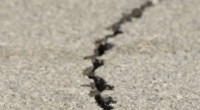
* Frost wedging: When water seeps into cracks in rocks and freezes, it expands, putting pressure on the rock. This repeated freezing and thawing can eventually break the rock apart.
* Thermal expansion and contraction: Rocks expand when heated and contract when cooled. This repeated expansion and contraction can cause the rock to crack and break, especially if the temperature changes are drastic.
* Abrasion: Rocks and sediments can be carried by wind, water, or ice, and they can wear away at other rocks they come into contact with. This is especially common in deserts and glacial environments.
* Salt wedging: Salt crystals can form in the cracks of rocks, and as they grow, they put pressure on the rock, eventually causing it to break.
2. Chemical Weathering:
* Dissolution: Some minerals, like limestone, can be dissolved by acidic water, such as rainwater that has absorbed carbon dioxide from the atmosphere.
* Oxidation: Iron in rocks can react with oxygen in the atmosphere, forming iron oxide (rust). This process weakens the rock and causes it to break down.
* Hydrolysis: Water can react with minerals in rocks, breaking them down into different minerals.
* Biological weathering: Plants, animals, and microbes can also contribute to weathering. For example, tree roots can grow into cracks in rocks, widening them.
Effects of Weathering on the Land:
* Creation of soils: Weathering breaks down rocks into smaller particles, creating the foundation for soil.
* Landform evolution: Weathering plays a key role in shaping the Earth's surface, creating hills, valleys, and canyons.
* Erosion: The weathered material produced by weathering is easily transported by wind, water, or ice, leading to erosion and the deposition of sediments in new locations.
* Impacts on ecosystems: Weathering influences the availability of nutrients in soil, which affects plant growth and the overall health of ecosystems.
* Resource formation: Weathering can create deposits of valuable minerals, such as bauxite (aluminum ore) and iron ore.
* Impact on infrastructure: Weathering can damage buildings, roads, and other structures.
Overall, weathering is a fundamental process that shapes the Earth's surface and influences the evolution of ecosystems. It's a constant process that is continually reshaping our planet.