Here's a breakdown:
Renewable resources:
* Replenish naturally at a rate comparable to or faster than their consumption. Examples:
* Solar energy: The sun provides a continuous source of energy.
* Wind energy: Wind is constantly generated by differences in air pressure and temperature.
* Hydropower: Water cycles through evaporation, precipitation, and runoff, replenishing rivers and lakes.
* Biomass: Organic matter from plants and animals can be continuously replenished.
* Geothermal energy: Heat from the Earth's interior is constantly available.
Nonrenewable resources:
* Form at a much slower rate than they are consumed, making them finite. Examples:
* Fossil fuels (coal, oil, natural gas): Formed over millions of years from decomposed organic matter.
* Minerals: Formed through geological processes over long periods.
* Nuclear fuels (uranium): Naturally occurring but found in limited quantities.
Important Note:
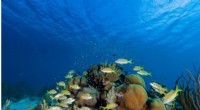
Even renewable resources can become depleted if managed poorly. For example, overfishing can deplete fish stocks beyond their ability to replenish. It's crucial to use all resources sustainably to ensure their availability for future generations.