1. Deforestation and Land Conversion:
* Logging: Clearcutting forests for timber removes trees, leading to soil erosion, reduced biodiversity, and disrupted water cycles.
* Agriculture: Converting forests and grasslands into farmlands destroys habitats, disrupts natural ecosystems, and often leads to overuse of fertilizers and pesticides that pollute water sources.
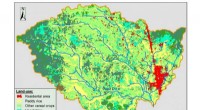
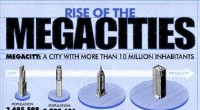
* Urbanization: Expanding cities and towns consume natural land, fragmenting habitats and pushing wildlife into smaller, isolated areas.
2. Mining and Extraction:
* Surface Mining: Stripping away vegetation and topsoil to access minerals and resources leaves scars on the landscape, disrupts water flow, and releases pollutants.
* Oil and Gas Drilling: Drilling operations can lead to oil spills, habitat destruction, and the release of harmful gases into the atmosphere.
3. Pollution:
* Air Pollution: Burning fossil fuels and industrial emissions release pollutants that can damage vegetation, acidify lakes, and contribute to climate change.
* Water Pollution: Runoff from agricultural fields, industrial waste, and sewage treatment plants contaminates rivers, lakes, and oceans, harming aquatic life and impacting human health.
* Waste Management: Improper disposal of waste, including plastic, can pollute land and water, leading to habitat degradation and health issues.
4. Infrastructure Development:
* Roads and Dams: Construction of roads and dams disrupts natural water flow, fragments habitats, and alters ecosystems.
* Pipelines: Pipelines often cross sensitive areas, potentially leading to spills and habitat damage.
5. Climate Change:
* Rising Temperatures and Extreme Weather: Climate change is leading to increased heatwaves, droughts, wildfires, and storms, all of which can devastate natural landforms and ecosystems.
6. Invasive Species:
* Introduction of Non-Native Species: Humans intentionally or accidentally introduce species to new areas, where they can outcompete native species, disrupt food webs, and alter ecosystems.
7. Overgrazing:
* Livestock Grazing: Overgrazing by livestock can lead to soil erosion, desertification, and the loss of plant diversity.
These are just a few examples of how humans spoil natural landforms. It's important to recognize that our actions have significant consequences for the environment and that we need to find sustainable ways to live and manage our planet's resources.