Environmental characteristics refer to the physical, chemical, and biological features of an environment. They encompass the various factors that define the conditions and resources available to living organisms, including humans.
Physical Characteristics:
* Climate: Temperature, precipitation, humidity, wind, and solar radiation.
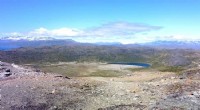
* Topography: Elevation, slope, and landforms.
* Geology: Soil type, rock formations, and mineral deposits.
* Water resources: Availability, quality, and flow patterns.
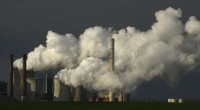
* Air quality: Concentration of pollutants, such as ozone, particulate matter, and greenhouse gases.
* Noise levels: Sound intensity and frequency.
* Light levels: Intensity and duration of sunlight.
Chemical Characteristics:
* Water chemistry: pH, dissolved oxygen, nutrients, and pollutants.
* Soil chemistry: Nutrient content, acidity, and salinity.
* Air chemistry: Composition of gases, such as oxygen, carbon dioxide, and nitrogen.
* Pollutants: Presence and concentration of harmful substances, such as heavy metals, pesticides, and industrial emissions.
Biological Characteristics:
* Biodiversity: Variety of living organisms in an ecosystem.
* Species composition: Abundance and distribution of different species.
* Population dynamics: Growth, mortality, and migration rates of organisms.
* Food webs: Interconnections between organisms and their energy flow.
* Ecosystem services: Benefits provided by ecosystems, such as pollination, water purification, and carbon sequestration.
Significance of Environmental Characteristics:
* Influence on life: Environmental characteristics determine the types of organisms that can survive and thrive in a particular location.
* Ecosystem function: They drive processes such as nutrient cycling, energy flow, and species interactions.
* Human well-being: Environmental conditions impact human health, safety, and quality of life.
* Resource management: Understanding environmental characteristics is crucial for sustainable resource use and conservation.
Examples of Environmental Characteristics:
* A tropical rainforest has high rainfall, humidity, and biodiversity.
* A desert has low rainfall, extreme temperatures, and sparse vegetation.
* A polluted river has elevated levels of chemicals, low dissolved oxygen, and reduced fish populations.
* A protected forest has a high density of trees, diverse wildlife, and a balanced ecosystem.
By studying and understanding environmental characteristics, we can gain insights into the complex interactions within ecosystems and develop strategies for environmental protection and management.