1. Latitude:
* Solar Radiation: Earth receives varying amounts of solar radiation depending on latitude. The equator receives the most direct sunlight, leading to warmer temperatures.
* Daylight Hours: Longer days at higher latitudes in summer contribute to warmer temperatures, while shorter days in winter lead to colder temperatures.
2. Altitude:
* Atmospheric Pressure: Air pressure decreases with altitude, causing temperatures to drop.
* Mountain Ranges: Mountains block airflow, creating rain shadows and influencing local climates.
3. Ocean Currents:
* Warm Currents: Carry warm water from the tropics to higher latitudes, moderating temperatures.
* Cold Currents: Carry cold water from the poles towards the equator, cooling temperatures.
4. Landforms:
* Continents: Large landmasses can significantly affect climate due to their heat absorption and release patterns.
* Oceans: Large bodies of water moderate temperatures and influence rainfall patterns.
5. Atmospheric Circulation:
* Jet Streams: Fast-moving air currents that influence weather patterns and temperature distribution.
* Hadley Cells: Large-scale atmospheric circulation patterns that create distinct climate zones.
6. Greenhouse Gases:
* Carbon Dioxide (CO2), Methane (CH4), Nitrous Oxide (N2O): Trapping heat in the atmosphere and contributing to global warming.
7. Human Activities:
* Deforestation: Reduces the amount of carbon dioxide absorbed by trees, contributing to global warming.
* Fossil Fuel Burning: Releases greenhouse gases into the atmosphere, accelerating climate change.
* Urbanization: Creates heat islands, increasing local temperatures.
8. Volcanic Activity:
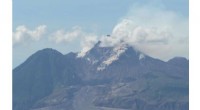
* Volcanic Eruptions: Release large amounts of ash and gases into the atmosphere, potentially affecting global temperatures.
9. Solar Activity:
* Solar Cycles: Fluctuations in solar energy output can influence Earth's climate, though the effects are relatively small compared to other factors.
These factors interact in complex ways, making climate a dynamic and constantly changing system.