1. Geochemistry:
* Relies on: Chemistry, Physics, Mineralogy, Petrology
* How: Geochemists use principles of chemistry to understand the composition and processes of the Earth. They analyze the chemical makeup of rocks, minerals, water, and the atmosphere to learn about:
* The formation and evolution of Earth
* The origin of life
* The cycling of elements
* The formation of ore deposits
* Environmental pollution and remediation
2. Paleoclimatology:
* Relies on: Geology, Biology, Physics, Chemistry, Oceanography
* How: Paleoclimatologists study past climates using various proxy data:
* Ice cores: Analyzing trapped air bubbles and isotopes to reconstruct past atmospheric conditions.
* Tree rings: Studying ring widths and isotopic composition to understand past precipitation and temperature.
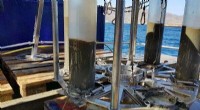
* Sediment cores: Analyzing fossils, pollen, and chemical isotopes in ocean and lake sediments to understand past oceanographic and terrestrial conditions.
* Speleothems: Analyzing the chemical composition of stalagmites and stalactites to learn about past rainfall and climate.
These branches demonstrate how Earth science is an interdisciplinary field, drawing on knowledge from other scientific disciplines to understand the complex systems of our planet.